Senior Pet Care
Senior Pet Care in Chilliwack
Veterinary checkups and early detection of illness for dogs and cats as they age.
Senior pet care at Promontory Animal Hospital is the veterinary care we provide for older dogs and cats in Chilliwack. Our veterinarians examine your pet, run screening blood tests, and use digital X-ray or ultrasound when a closer look is needed. We are accepting new clients.
- Thomas Road, Chilliwack
- Open 8:00am to 8:00pm, seven days a week
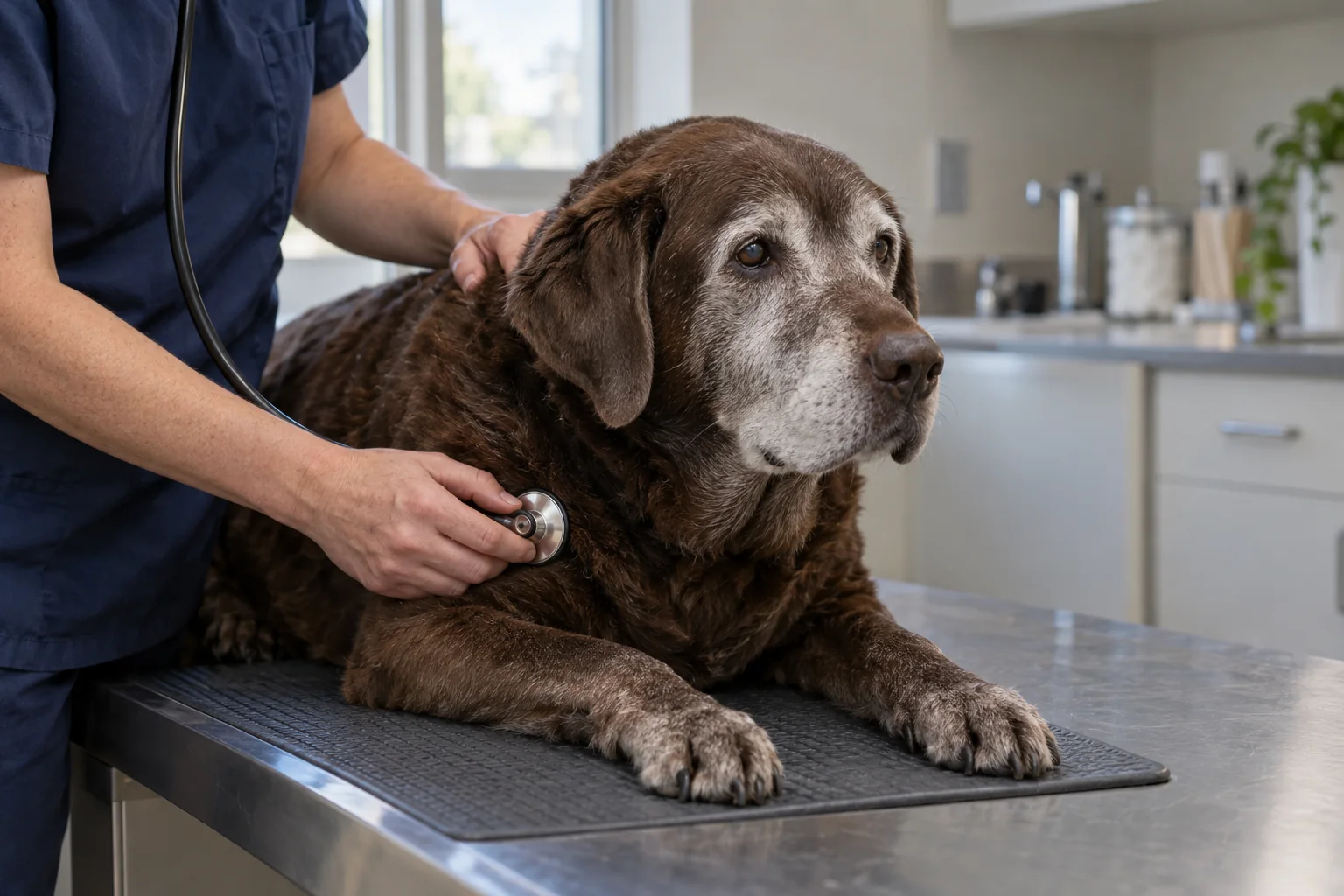
Veterinary care for older dogs and cats
We care for dogs and cats from the first changes of aging through to quality-of-life and end-of-life care. Senior care, also called geriatric care, includes:
- Nose-to-tail senior examinations
- Screening blood tests
- Digital X-ray and ultrasound
- Pain care for stiff joints
6
months, at most, between senior visits
When is a pet considered senior?
Dogs have no single senior age, while cats do. We follow the American Animal Hospital Association (AAHA) and American Association of Feline Practitioners (AAFP) guidelines.
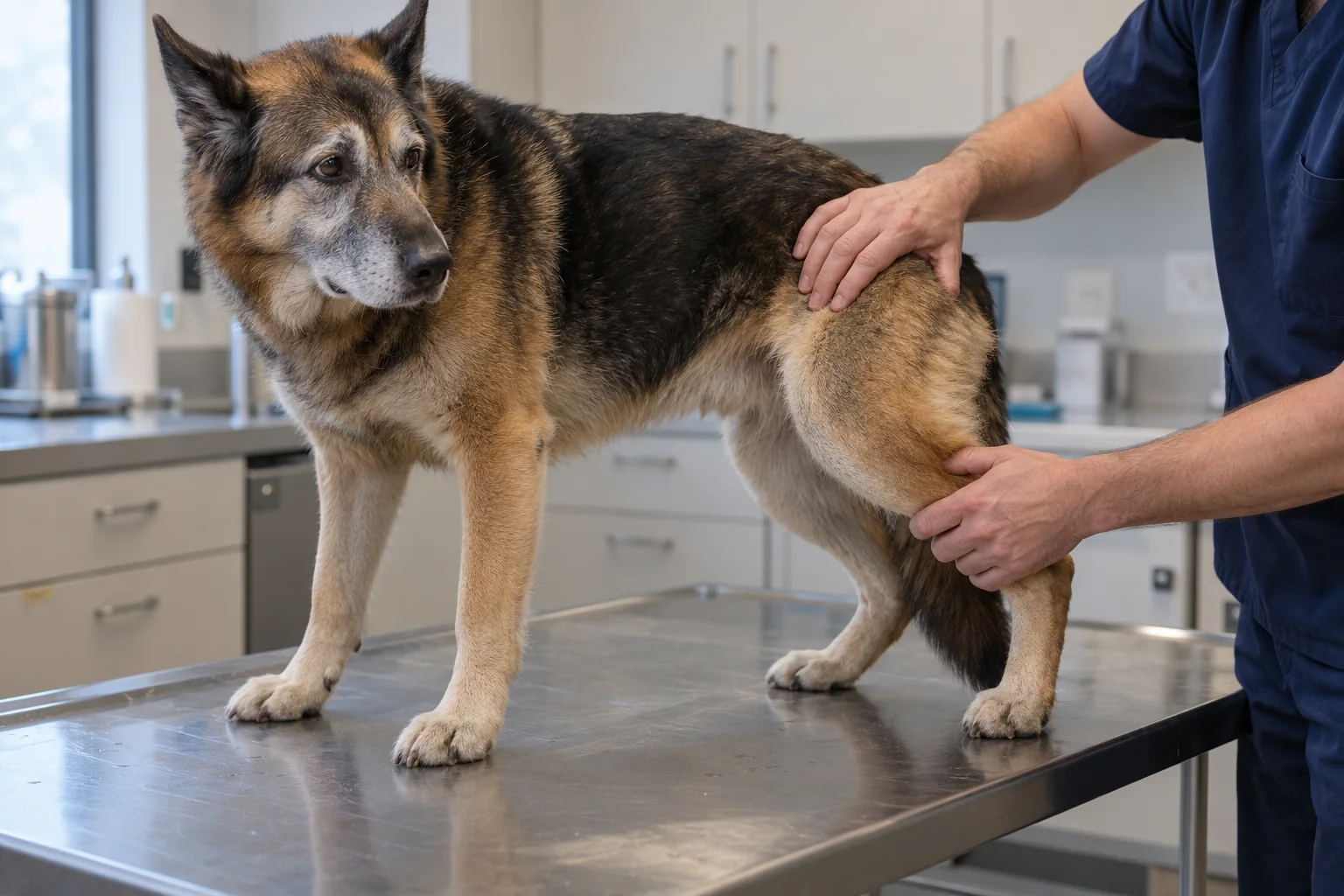
When is a dog considered senior?
A dog is considered senior in the last quarter of its expected lifespan. Larger breeds have shorter lifespans and reach it sooner. At a checkup we look at your dog's breed, size and health to tell you whether your dog is a senior.
When is a cat considered senior?
Cats are considered senior once they are over 10 years old, and 7 to 10 years is mature adulthood. Some cats over 10 stay in excellent condition, and our veterinarians may then care for them as mature adults.
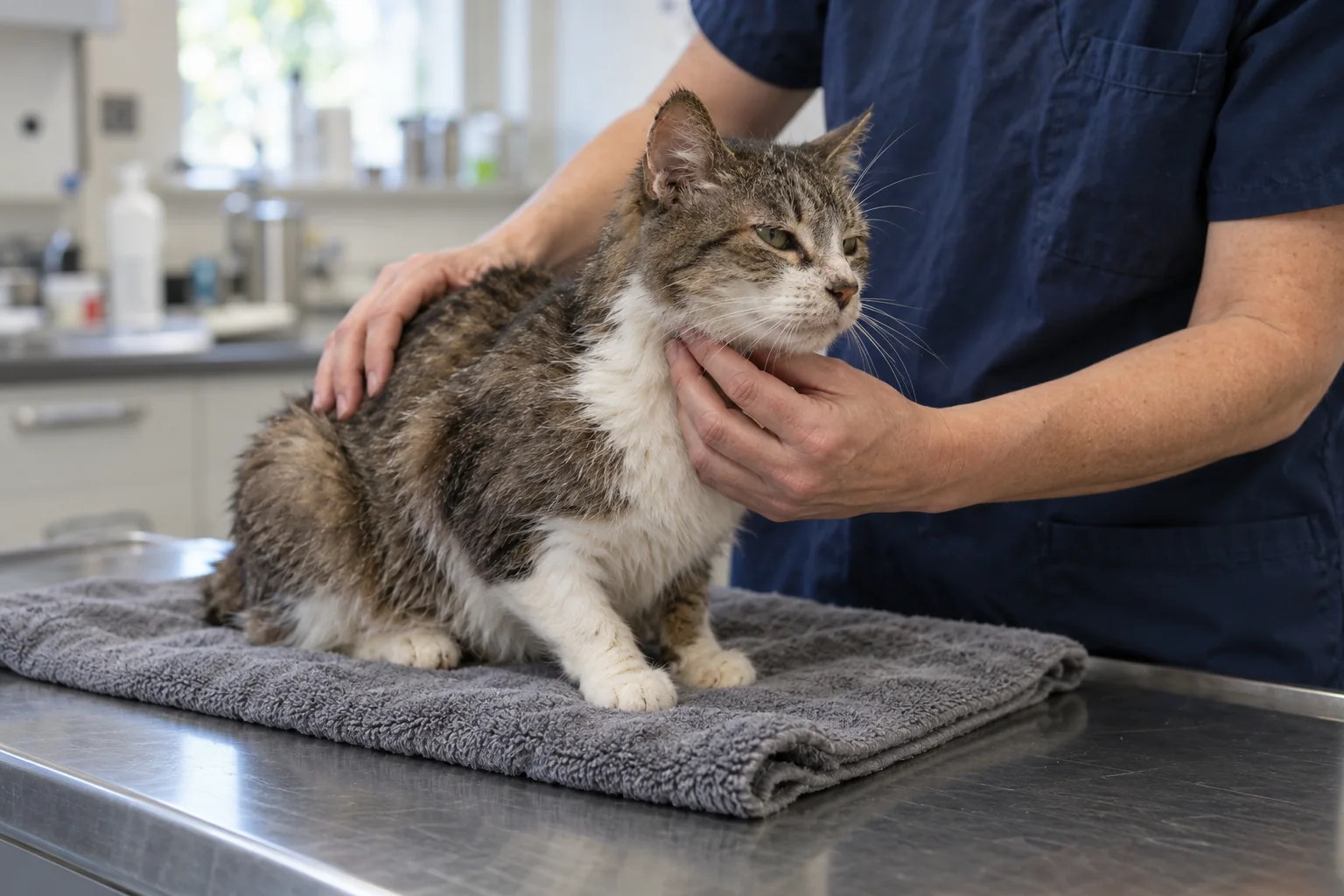
Signs of aging in cats and dogs
Greying fur, gradual slowing and some loss of hearing or sight are common signs of aging in dogs and cats, but a sudden change needs an examination. Our veterinarians find that a common mistake is waiting too long after a change in appetite, energy or behaviour, because early signs can be subtle.
-
An old dog not eating, or eating much less.
-
An old dog drinking a lot of water, or a cat drinking more.
-
A senior cat losing weight while eating well, a common sign of hyperthyroidism in cats.
-
Pacing at night or seeming lost: possible canine cognitive dysfunction (dog dementia).
-
Accidents indoors or outside the litter box in a house-trained pet.
-
Stiffness on the stairs, which can be arthritis and is treatable with our arthritis and pain care.
Our senior pet care process
What happens at a senior visit, step by step, from the first questions to your results:
- 01
History and examination
We ask what has changed in appetite, thirst, weight or behaviour, then examine your pet nose to tail, as in a regular wellness exam.
- 02
Blood work
We take a small blood sample for in-house blood work.
- 03
X-ray or ultrasound, if needed
If the results call for a closer look, we offer in-house X-ray and ultrasound. A heart ultrasound (echocardiography) is performed at our clinic by a visiting specialist.
- 04
Results explained
We explain what the results mean for your pet and what we recommend, and you decide the next step.
What screening blood tests look for in older pets
Each blood test looks for a specific change, and senior care guidelines add two further checks:
Blood tests run in our in-house lab
Senior dog blood work and cat blood work use the same three tests. A complete blood count checks red and white blood cells. A chemistry panel shows kidney and liver values and can find kidney disease early. A thyroid test looks for an overactive thyroid in cats and an underactive one in dogs.
Other checks the guidelines recommend
Senior care guidelines also recommend a urine test (urinalysis) every 6 to 12 months and a blood pressure check at least once a year, more often for older cats.
How often should a senior pet see the vet?
Senior dogs and cats should have an examination at least every six months, even when they seem well, under the guidelines we follow. Pets hide signs of illness, and a problem found early is usually easier to treat.
-
Pets with a long-term condition need visits more often.
-
A sudden change between visits needs an examination sooner.
Our Chilliwack clinic and the areas we serve
Promontory Animal Hospital is at Unit 104 – 46193 Thomas Road, Chilliwack, and we see dogs and cats from:
- Chilliwack
- Sardis
- Promontory
- Vedder
- Yarrow
- Surrounding Fraser Valley communities
We are open 8:00am to 8:00pm, seven days a week. We offer same-day appointments. Start by registering as a new client.
How much does a senior pet visit cost?
The cost depends on what the examination finds and what follows it:
A written estimate first
For blood work, imaging or treatment, you approve a written estimate before any procedure begins.
Ways to pay
We accept Visa, Mastercard, American Express, Interac debit and cash; see our payment and financing options.
Pet insurance
We accept pet insurance. We provide the invoices and documentation you need to submit your claim. Trupanion, Petsecure, Fetch and Pets Plus Us are insurers we work with.
Explore more of our services
Pet dental care
Cleanings, dental X-rays and extractions for dogs and cats.
Dog and cat dental cleaningDiagnostics & imaging
Digital X-ray and in-house diagnostics to find what hurts.
Pet X-ray and diagnosticsPet vaccinations
Core and lifestyle vaccines for dogs and cats.
Dog and cat vaccinationsParasite prevention
Protection from fleas, ticks, heartworm and intestinal worms.
Flea, tick and worm preventionCommon questions about senior pet care
Call 604-426-1057Reviewed by our veterinarians, Dr Gurpreet Kaur, DVM, and Dr Ravinder Singh, DVM.
Is senior cat care different from senior dog care?
The examination is the same, but the senior years start differently and the emphasis differs. A cat counts as senior once it is over 10, while a dog's senior years depend on its breed and size. Senior care guidelines put stronger emphasis on thyroid and blood pressure checks for older cats.
Is anaesthesia safe for an older dog or cat?
Age alone is not a reason to avoid anaesthesia. Before dental work or any other procedure under anaesthesia, we run blood work that shows liver and kidney function and identify higher-risk pets in advance. Anaesthesia is not risk-free, so our veterinary staff monitor oxygen levels, heart rate and blood pressure continuously throughout it. See our dental care and anaesthesia safety page.
How often do senior dogs and cats need blood work?
Senior care guidelines recommend a blood count and chemistry panel every 6 to 12 months and a thyroid test once a year. We compare each result with your pet's earlier ones, so the first results become a baseline and a slow change shows before your pet looks unwell.
Why is my older dog losing weight?
Unplanned weight loss is not a normal part of aging and needs an examination. Our veterinarians examine your dog, and blood work can show kidney or liver changes behind the loss. If the cause is diet, our weight and nutrition for older pets service sets a plan.
Book a senior pet checkup
Bring a list of any changes you have noticed, along with your pet's current medications and supplements.
What you can count on:
- A written estimate you approve before any procedure begins
- Same-day appointments
- Accepting new clients for dogs and cats